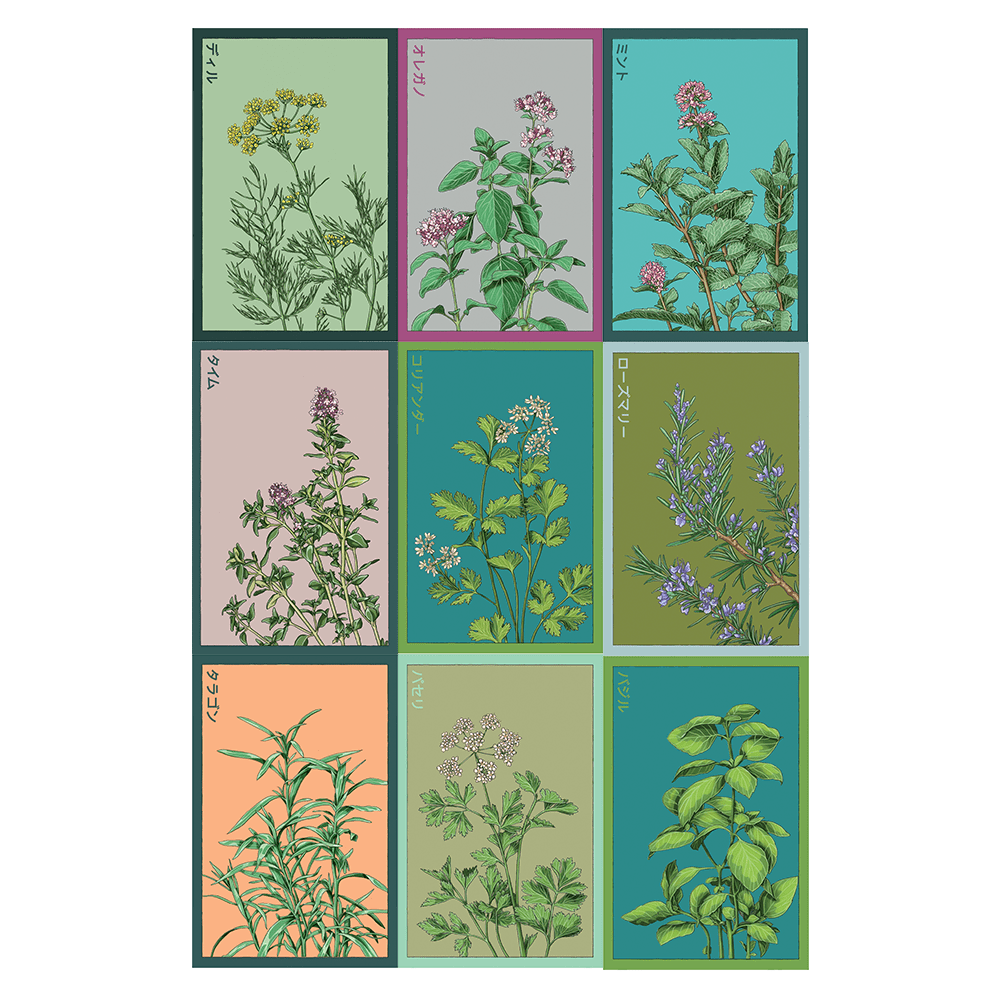
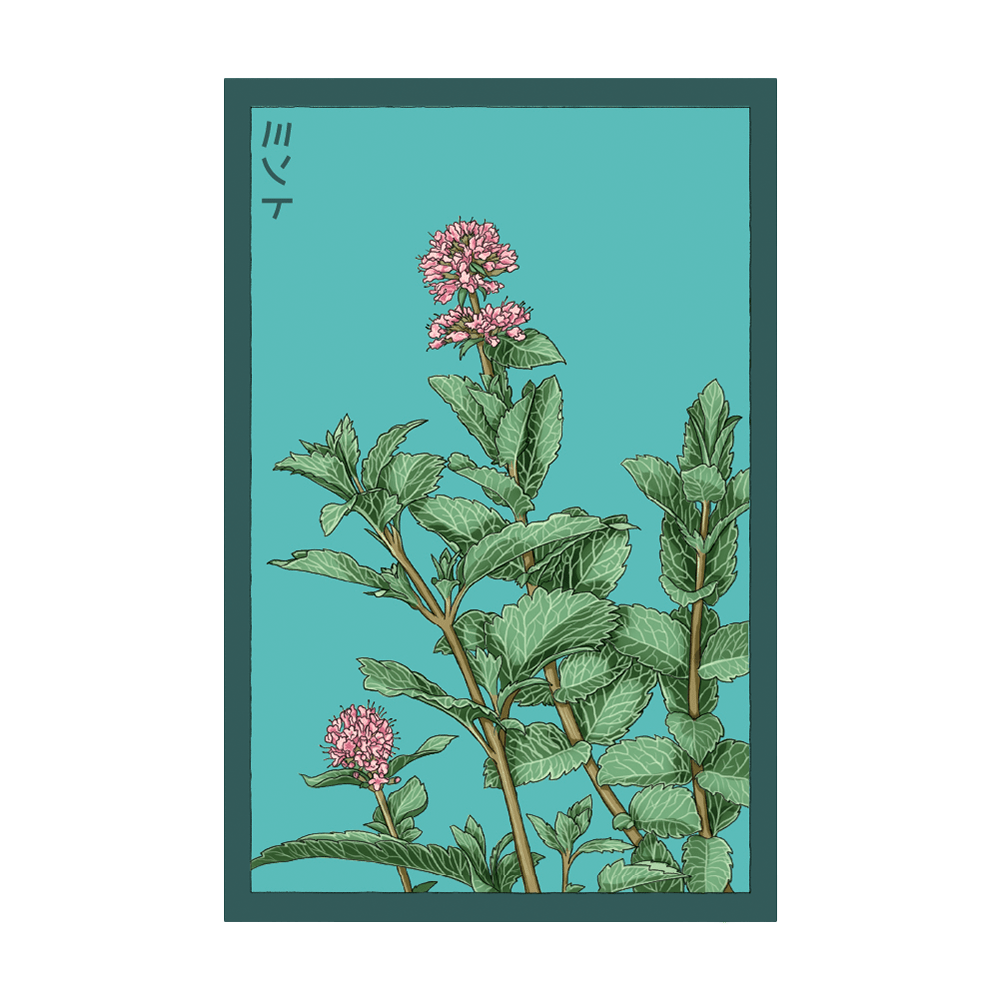
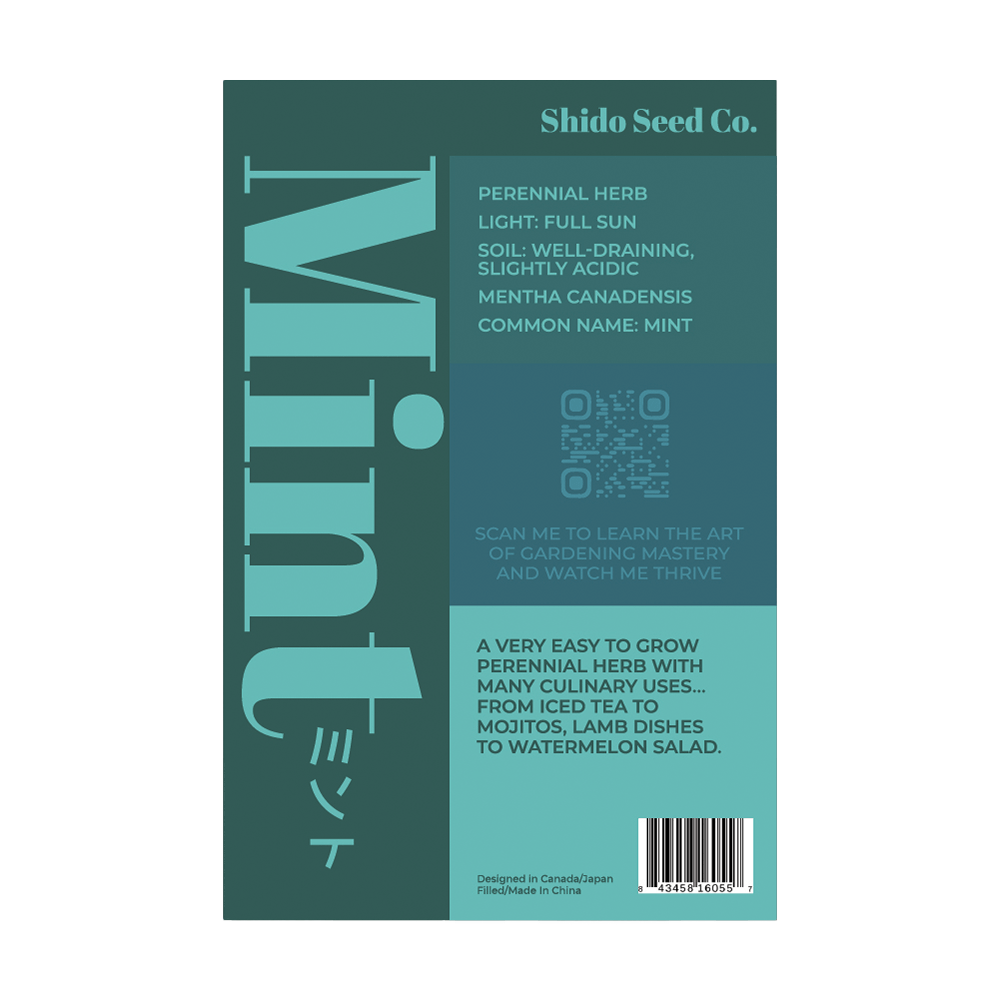
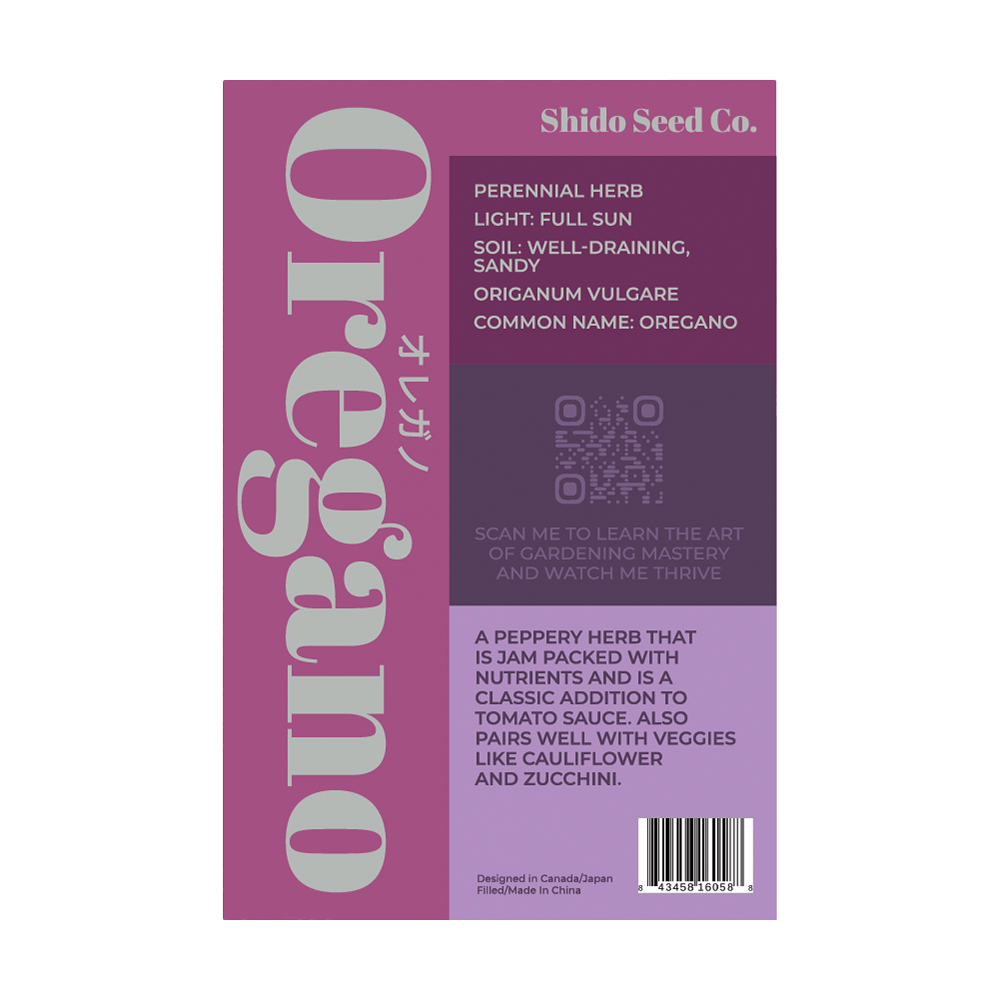
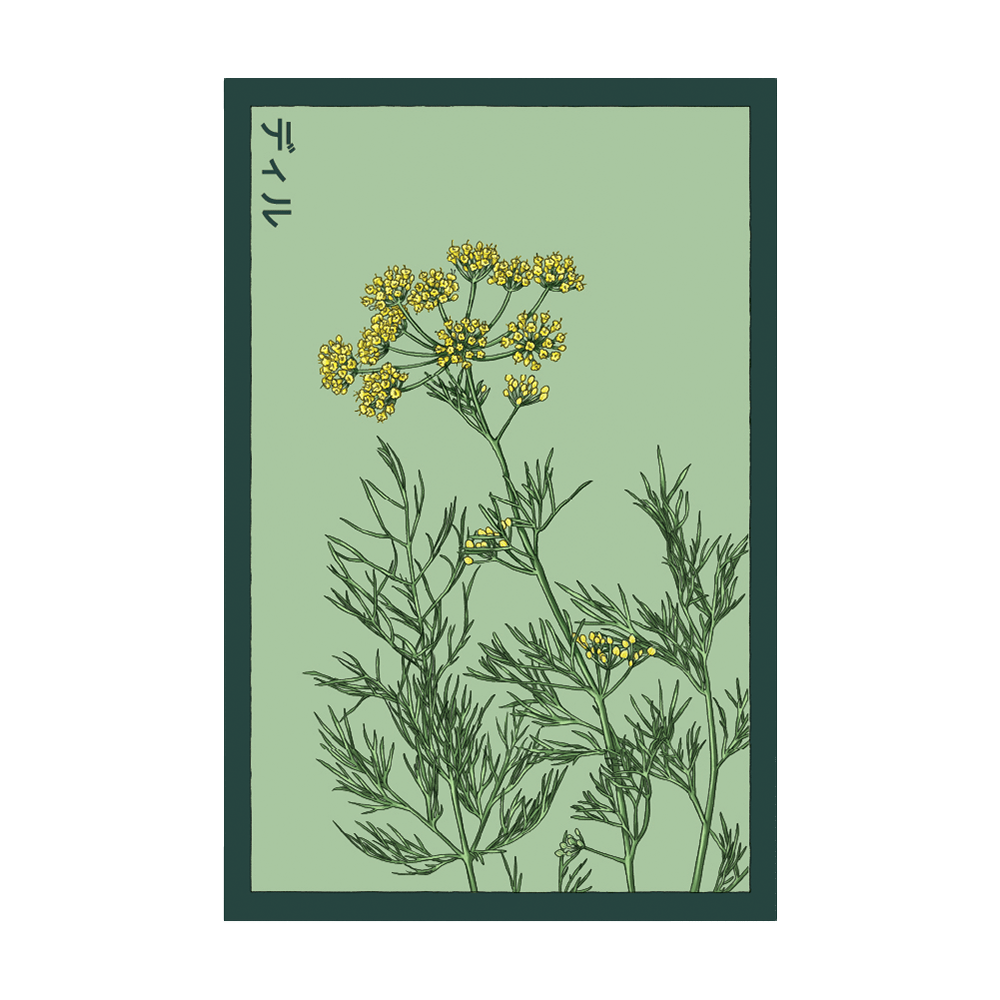

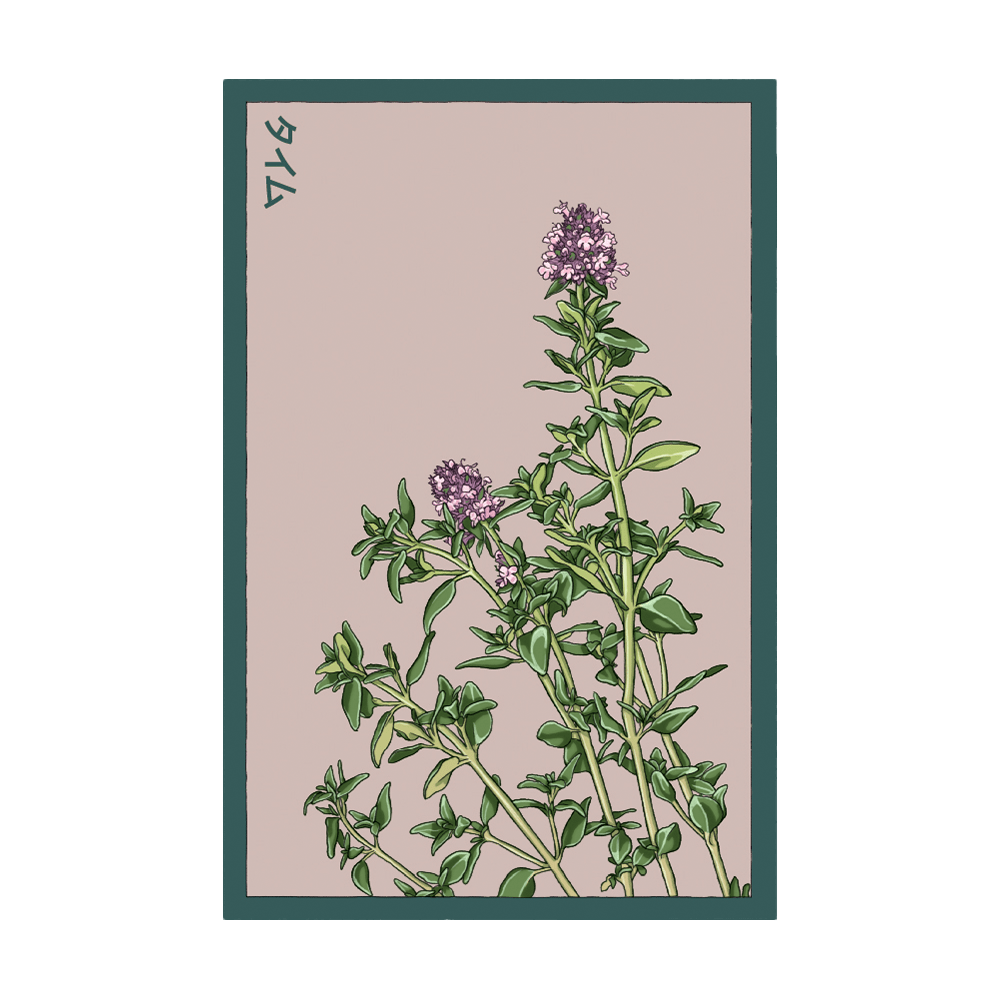
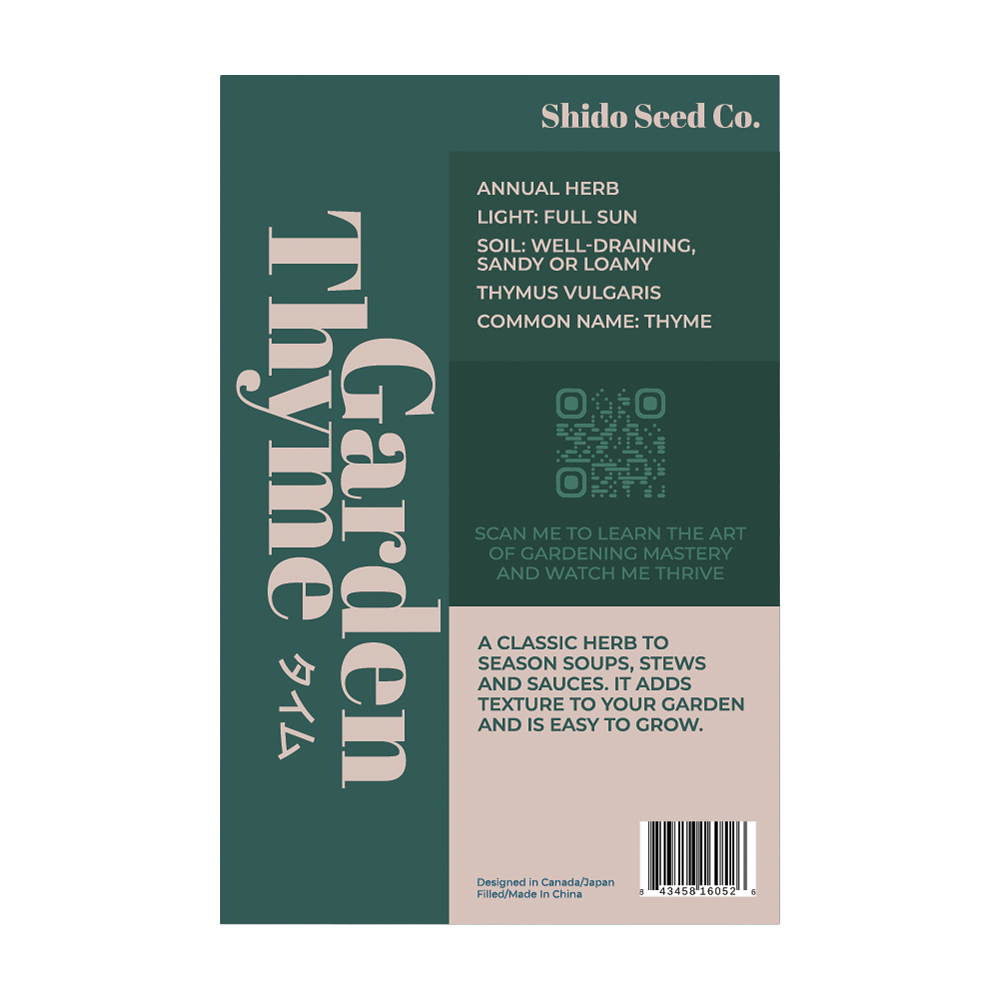
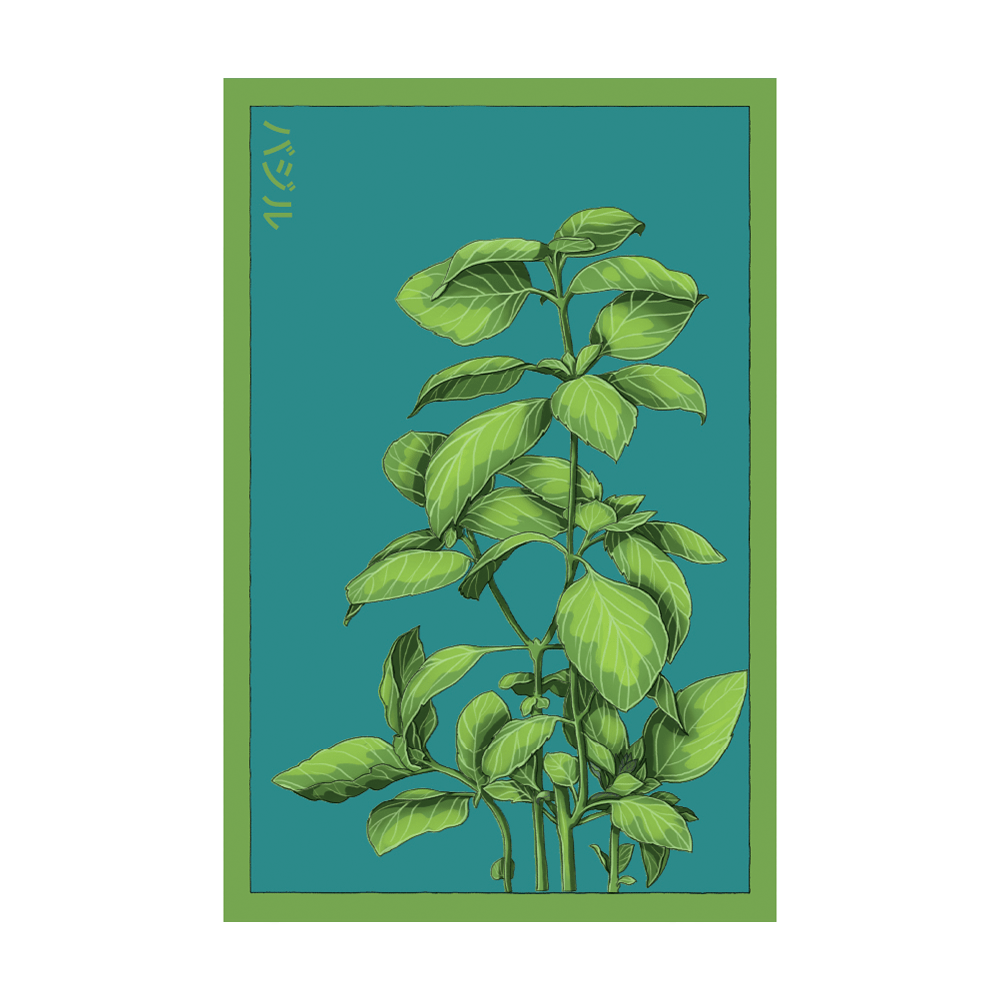
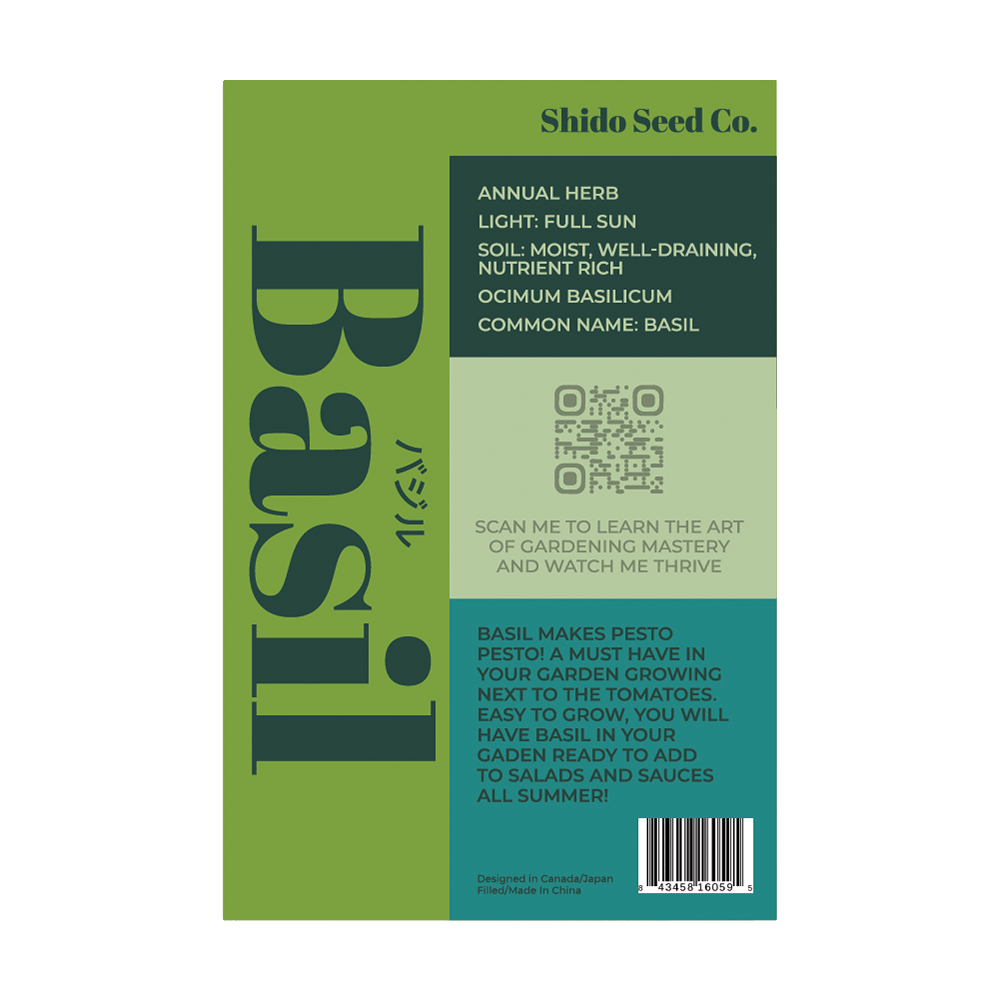
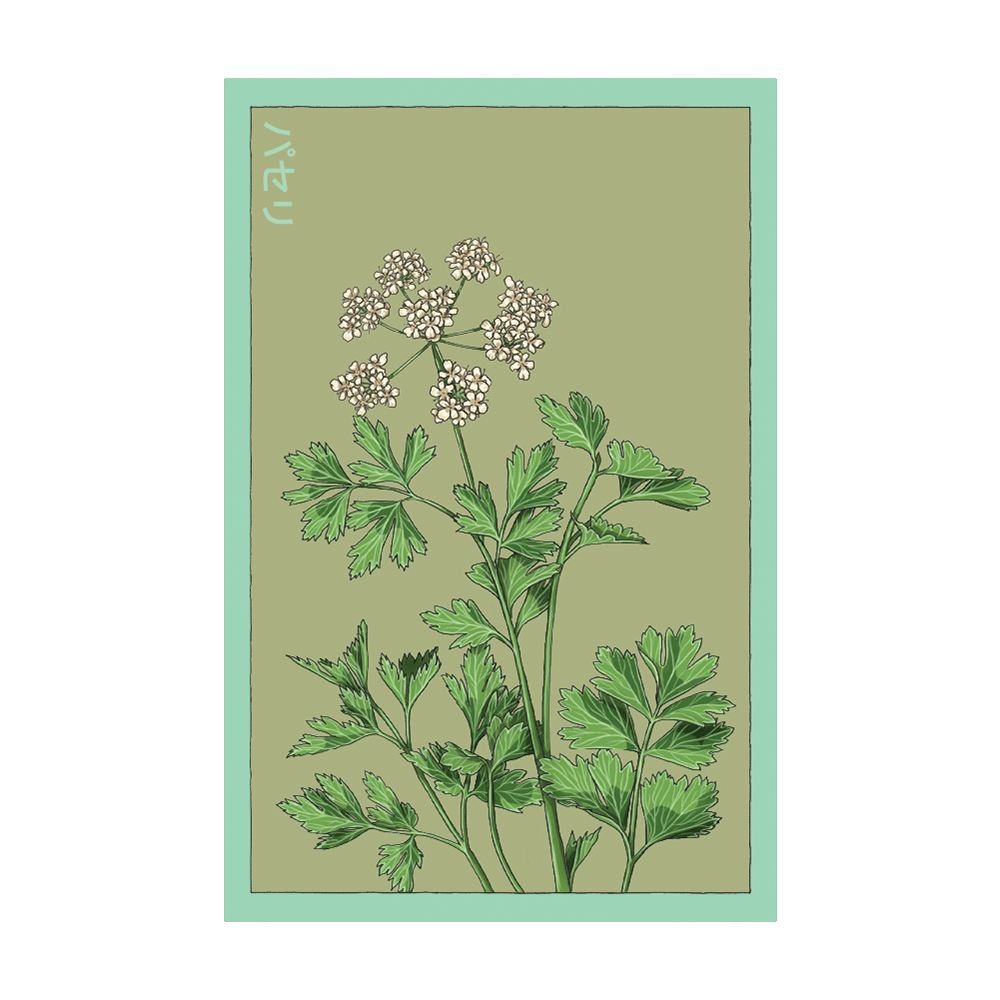

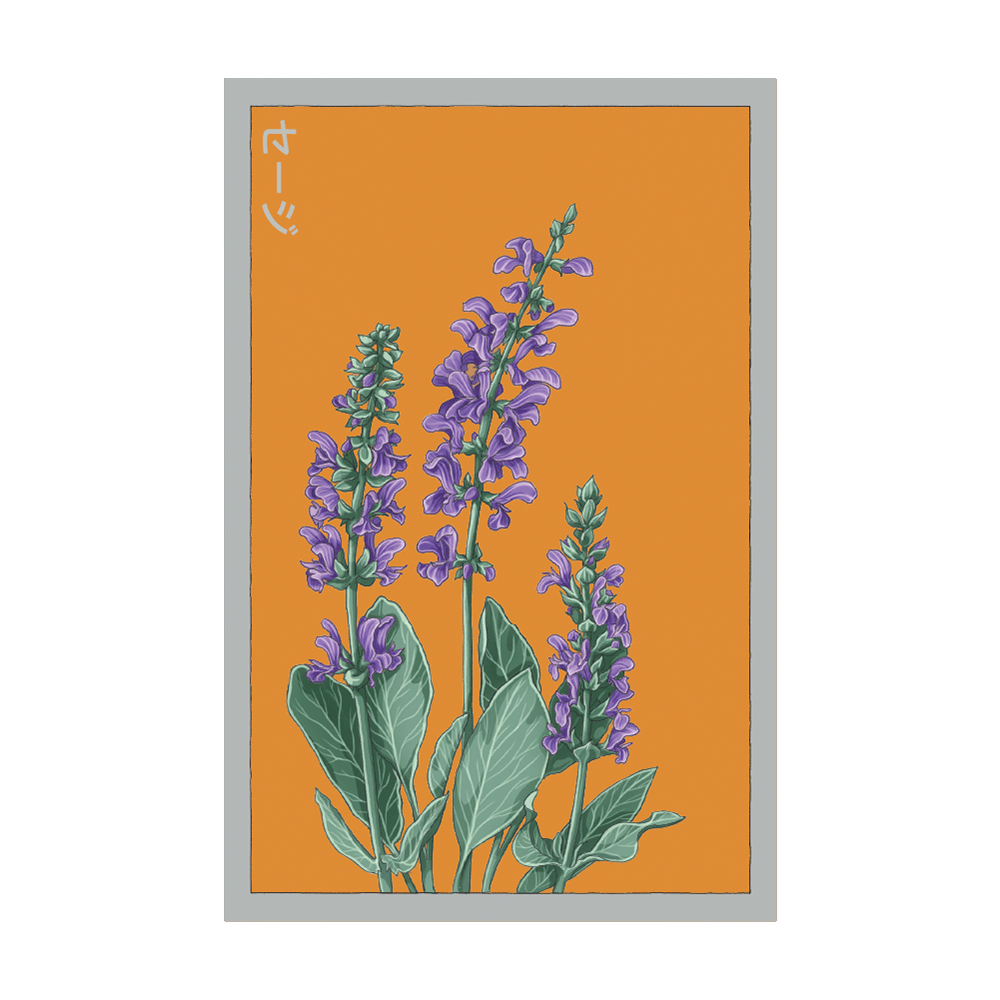
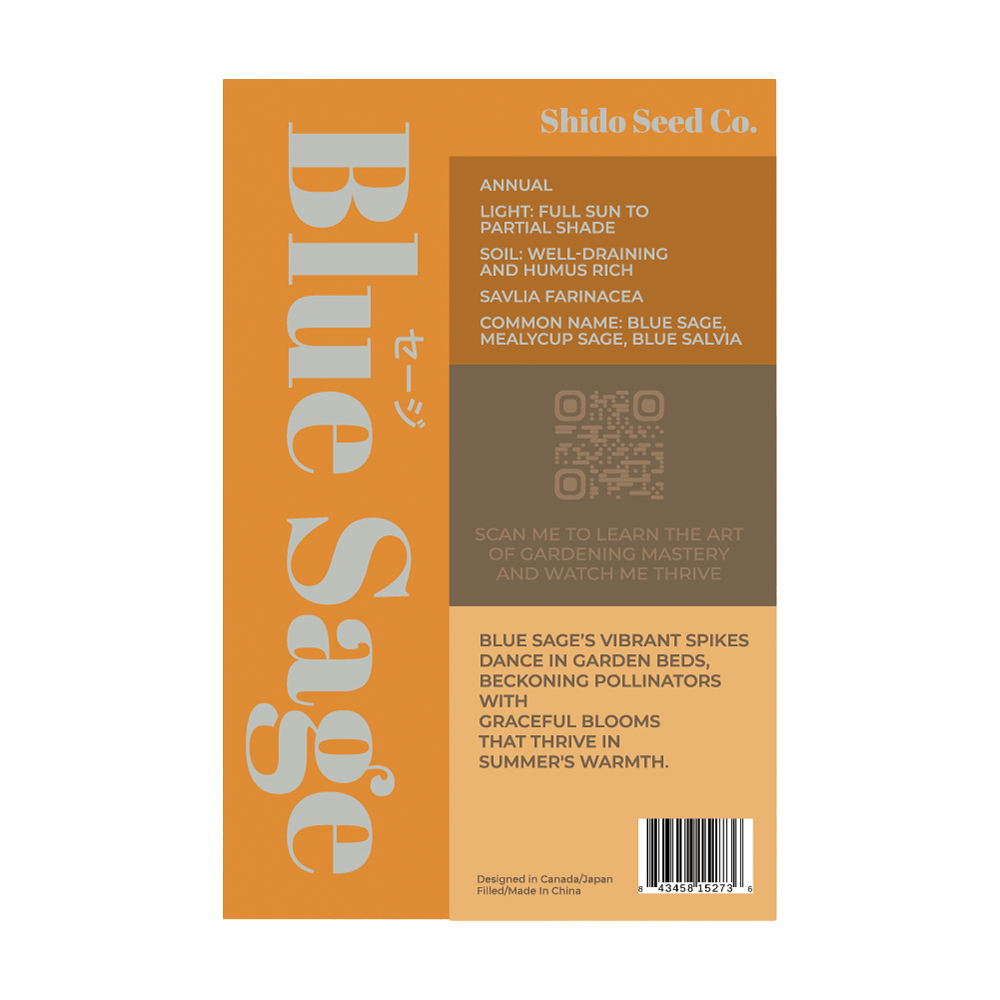
Packets of herb seeds from the Shido line covered in soil and uncovered — by Chive Studio

Herb Seeds — Culinary & Tea Varieties

Basil was just the beginning.

Herb seeds from Shido cover 12 non-GMO varieties — culinary classics like basil, chives, cilantro, and dill, plus tea herbs like chamomile and mint — every packet vacuum-sealed and germination-tested. Most grow as happily in a pot on a sill as in a bed outside.

12 herb varieties · culinary & tea herbs · grows indoors or out · vacuum-sealed non-GMO · lab-tested germination · Ships gift-ready to 40+ countries
Filters
Out of stock
Seed Type
Seed Difficulty
Seed Zone
Sort by

An indoor herb garden is the fastest route from an empty windowsill to a kitchen that finishes its own dishes, provided the seed can still germinate when it gets there. Shido's herb collection holds up its end: every variety is non-GMO, germination-tested at independent labs, and vacuum-sealed so the packet holds its rates through the season you didn't get to it.

The range runs from windowsill herbs that finish in a single season to perennials like rosemary and sage that come back on their own once established, plus chamomile and mint for a proper tea garden. Each product page states whether the variety wants a sunny windowsill or a cooler spot, so it grows indoors year-round without guesswork.

Herbs to grow indoors
Chives, thyme, and mint are the most forgiving herbs on a windowsill, tolerating lower light and irregular watering better than basil or cilantro, both of which want more consistent conditions to avoid bolting. Rosemary and sage grow slowly indoors but live for years once established, becoming permanent kitchen fixtures rather than a one-season project. A south-facing window or a grow light is the real deciding factor — not the season, not the square footage. Give any of these herbs four hours of decent light and a well-draining pot, and the windowsill does the rest.

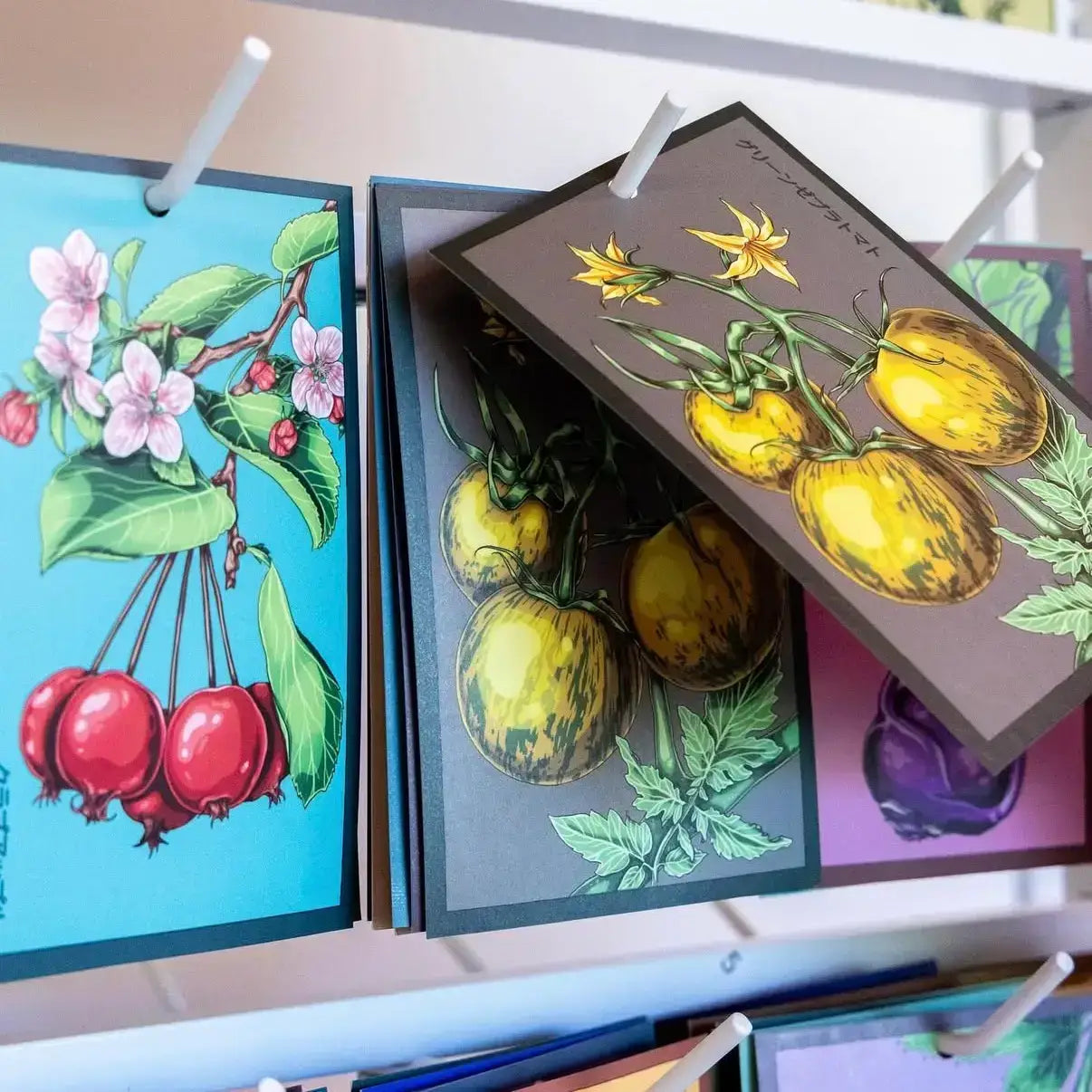
Chive Shido seed packets with botanical illustrations on a peg rack, showing cherry blossom, tomato, and eggplant designs.

Medicinal herb seeds

Chamomile and mint are the two herbs in this collection genuinely suited to a tea garden rather than the kitchen counter. Chamomile's small flowers are harvested and dried for a tea people reach for at the end of the day; mint works fresh or dried, and grows aggressively enough that most gardeners contain it to a single pot regardless of what else it's doing. Neither is a medical claim — just the honest use case, stated plainly instead of buried in a FAQ answer.

Shido Seeds is a Chive Studio line, designed in Toronto by the studio that has been designing since 2004. The herb collection sits inside a catalog of 124 seed varieties
across five categories, every lot germination-tested at independent labs, and every packet printed with a state-mandated three-year viability date. The line ships to 40+ countries.

Reviewed by Todd Newgren, co-founder · Updated August 2026

Are Seed Packets GMO? The Honest Answer
Todd Newgren
Are seed packets GMO? No—home garden seed packets, Shido included, are never genetically modified, since GMO seed is only made for large-scale commercial crops. The non-GMO badg...
Read more
Do Seeds Expire? How Long Do Seeds Last | Shido
Todd Newgren
Seeds don't expire — they lose viability as oxygen depletes stored energy, and vacuum sealing is the fix. Chive's Shido Seeds are vacuum-sealed, germination-tested, and stocked ...
Read more

Frequently asked questions about the Herb Seeds

What's the best way to start an indoor herb garden?

An indoor herb garden needs a south-facing window or grow light, well-draining pots, and herbs actually suited to container life, which most culinary herbs are. Basil, chives, mint, and thyme all perform reliably indoors year-round with minimal setup. The failure point for most indoor herb gardens isn't the herb. It's inconsistent light.

Which herbs actually grow best on a windowsill?

Chives, thyme, and mint tolerate lower light and irregular watering better than basil or cilantro, which both want more consistent conditions to avoid bolting or wilting. A windowsill with at least four hours of direct sun handles all of them reasonably well. Pick the forgiving herbs first if the windowsill is an untested variable.

Can herb seeds be grown indoors all year round?

Yes, most herbs in this collection can be grown indoors continuously given enough light, which is the actual limiting factor rather than the season. A grow light extends the growing window through winter for anyone without a strong south-facing exposure. The herb doesn't know what month it is. It only knows how much light it's getting.

What herbs work well for a tea garden?

Chamomile and mint are the two genuine tea-garden herbs in this collection, both producing enough usable material from a single healthy plant to be worth the bed space. Chamomile flowers get harvested and dried; mint leaves can be used fresh or dried. Growing your own tea garden is a small, satisfying kind of self-sufficiency.

Which herbs are perennial?

Thyme, mint, chives, and chamomile are the perennial herbs in this collection — planted once, they return each year in most climates, with mint returning whether invited or not. Basil and cilantro are annuals: one season, then resow. A bed split between the two types covers the calendar — the perennials hold the structure while the annuals rotate through it. Each packet states which kind it is.

Which herbs come back every year on their own?

Chives, thyme, and mint are the herbs that come back every year with essentially no persuasion — hardy perennials that die back in winter and return from the roots each spring. Mint returns so reliably it is best planted in a container to keep its ambitions local. Plant once, harvest for years. The herbs that require annual replanting are labelled as annuals on their packets.

How do you harvest herbs so they keep producing?

Cut regularly and never take more than a third of the plant at once — how to harvest herbs well is mostly a matter of restraint and frequency. Pinch basil above a leaf pair to force branching; snip chives at the base; take thyme and mint as sprigs. Regular cutting signals the plant to produce more. An unharvested herb bolts to seed and retires early.

When should herb seeds be planted?

When to plant herb seeds depends on where they will live: indoor pots can start any month the light allows, while outdoor beds wait until after the last frost for tender varieties like basil. Hardy perennials such as chives and thyme can sow slightly earlier. Each Shido packet carries the timing, depth, and spacing for its variety. Indoors, the calendar barely applies — the window is the season.

2004 Making ceramics since
200+ Institutions worldwide

RHS Chelsea Flower Show2026 4-star booth award recipient
2 x 5-star booth award — winner
Exhibiting since 2013

About Chive Studio

Chive Studio has designed ceramic wall flowers in Toronto since 2004. Shido Seeds is the studio's seed line, and this collection is its herb shelf — culinary and tea varieties that grow as well on a sill as in a bed. The full catalog lives under seed packets, the dinner side under vegetable seeds, and the line's boxed assortments under gardening gifts.

Learn more about Chive Studio →

Chive in the Press →·